Tirzepatide (10 mg Vial) Dosage Protocol
Rettatide educational guide for reconstitution, weekly dosing, storage, and injection technique.
☰ Table of Contents
✿ Quickstart Highlights
Tirzepatide is a 39–amino acid dual incretin receptor agonist that activates both GLP-1 and GIP receptors, enhancing glucose-dependent insulin secretion, suppressing glucagon, slowing gastric emptying, and reducing appetite. Its ~5-day half-life allows convenient once-weekly subcutaneous dosing. Clinical trials demonstrate superior glycemic control and weight reduction compared to selective GLP-1 agonists.
- Reconstitute: Add 2.0 mL bacteriostatic water → 5.0 mg/mL concentration.
- Typical weekly range: 2.5–15 mg once weekly (gradual 4-week titration steps).
- Easy measuring: At 5.0 mg/mL, 1 unit = 0.01 mL = 50 mcg on a U-100 insulin syringe.
- Storage: Lyophilized: freeze at −20 °C (−4 °F); after reconstitution, refrigerate at 2–8 °C (35.6–46.4 °F); use within 28 days.
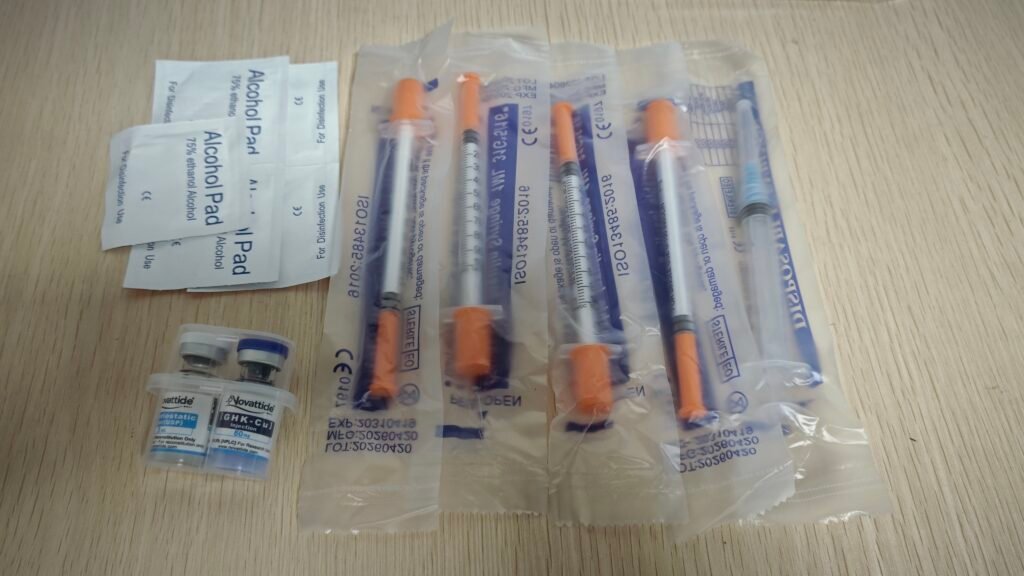
Tirzepatide 10 mg Manual
 Dosing & Reconstitution Guide
Subcutaneous, once weekly
Standard / Gradual Approach (2 mL = 5.0 mg/mL)
Frequency: Inject once weekly subcutaneously on the same day each week. For doses requiring multiple injections, administer consecutively at different sites. Dose increases occur every 4 weeks to minimize gastrointestinal side effects. Higher doses (12.5–15 mg/week) may be used in subsequent phases if tolerated and clinically indicated.
Reconstitution Steps
- Draw 2.0 mL bacteriostatic water with a sterile syringe.
- Inject slowly down the vial wall; avoid foaming.
- Gently swirl/roll until dissolved (do not shake).
- Label with reconstitution date and refrigerate at 2–8 °C (35.6–46.4 °F), protected from light.
- Use within 28 days of reconstitution.
Important: This guide is for educational purposes only and is not medical advice.
🛒 Supplies Needed
Plan based on an 8–16 week protocol with gradual titration (once-weekly dosing).
- Peptide Vials (Tirzepatide, 10 mg each):
- 8 weeks (2.5→5 mg/wk): ~30 mg total ≈ 3 vials
- 12 weeks (2.5→7.5 mg/wk): ~60 mg total ≈ 6 vials
- 16 weeks (2.5→10 mg/wk): ~100 mg total ≈ 10 vials
- Insulin Syringes (U-100, 1 mL):
- 8 weeks: 8 syringes (1/week)
- 12 weeks: 16 syringes (~1.3/week avg)
- 16 weeks: 24 syringes (~1.5/week avg)
- Bacteriostatic Water (10 mL bottles): Use 2.0 mL per vial for reconstitution.
- 8 weeks (3 vials): 6 mL → 1 × 10 mL bottle
- 12 weeks (6 vials): 12 mL → 2 × 10 mL bottles
- 16 weeks (10 vials): 20 mL → 2 × 10 mL bottles
- Alcohol Swabs: One for the vial stopper + one for the injection site each administration day.
- Per week: 2 swabs (1 injection day)
- 8 weeks: 16 swabs → recommend 1 × 100-count box
- 12 weeks: 24 swabs → recommend 1 × 100-count box
- 16 weeks: 32 swabs → recommend 1 × 100-count box
💉 Dosing Protocol
Suggested weekly titration approach.
- Start: 2.5 mg once weekly for 4 weeks (initiation dose).
- Escalate: Increase by 2.5 mg every 4 weeks as tolerated.
- Maintenance: 5–15 mg weekly based on response and tolerability.
- Frequency: Once per week (subcutaneous), same day each week.
- Timing: Any time of day; with or without food; rotate injection sites.
❄ Storage Instructions
Proper storage preserves peptide quality.
- Lyophilized: Store at −20 °C (−4 °F) in dry, dark conditions; minimize moisture exposure.
- Reconstituted: Refrigerate at 2–8 °C (35.6–46.4 °F); do not freeze reconstituted solution.
- Shelf life: Use reconstituted solution within 28 days.
- Allow vials to reach room temperature before opening to reduce condensation uptake.
💡 Important Notess
- Use new sterile insulin syringes; dispose in a sharps container.
- Rotate injection sites (abdomen, thighs, upper arms) to reduce local irritation.
- For multi-injection doses, use different sites for each injection on the same day.
- Inject slowly; wait a few seconds before withdrawing the needle.
- Document weekly dose, date, and injection site to maintain consistency.
- Gastrointestinal effects (nausea, diarrhea) are common initially; gradual titration helps minimize them.
⚗ How This Works
Tirzepatide is a novel dual agonist that simultaneously activates GLP-1 (glucagon-like peptide-1) and GIP (glucose-dependent insulinotropic polypeptide) receptors. This dual mechanism enhances glucose-dependent insulin secretion while suppressing glucagon release, slowing gastric emptying, and promoting satiety through central appetite regulation. The added GIP activity appears to synergistically amplify metabolic effects beyond GLP-1 alone, contributing to superior weight reduction observed in clinical trials. Its ~5-day half-life enables convenient once-weekly administration.
⚖ Potential Benefits & Side Effects
Observations from clinical trials and published literature.
- Glycemic control: Significant HbA1c reductions in type 2 diabetes trials.
- Weight reduction: Clinical trials report substantial body-weight loss (up to ~11 kg more than GLP-1 RA comparators over 26 weeks at higher doses).
- Cardiovascular markers: Improvements in lipid profiles and blood pressure observed in some studies.
- Common side effects: Gastrointestinal (nausea, diarrhea, vomiting, constipation) — typically mild-to-moderate and dose-dependent; gradual titration reduces incidence.
- Injection-site reactions: Occasional mild redness or irritation at subcutaneous injection sites.
↔ Lifestyle Factors
- Pair with a balanced, calorie-appropriate diet; reduced appetite may naturally decrease intake.
- Prioritize protein to preserve lean mass during weight loss.
- Combine resistance training and aerobic activity to support metabolic health.
- Stay hydrated, especially given potential gastrointestinal effects.
- Prioritize sleep and stress management to support adherence and recovery.
💉 Injection Technique
General subcutaneous guidance from clinical best-practice resources.
- Clean the vial stopper and skin with alcohol; allow to dry.
- Pinch a skinfold; insert the needle at 45–90° into subcutaneous tissue.
- Do not aspirate for subcutaneous injections; inject slowly and steadily.
- Rotate sites systematically (abdomen avoiding 2-inch radius around navel, outer thighs, upper arms) to avoid lipohypertrophy.
- Dispose of needles and syringes in a sharps container immediately after use.